 Kilkenny County Council
Clothes Swap Toolkit

Free to Borrow Clothes Swap Kit
Communities, schools, business and groups are now able to borrow a free clothing swap shop kit to help tackle the textile crisis.
Clothing Swap Kit
Kilkenny County Council now offers a free to borrow clothing swap kit for businesses, schools, communities and groups.
What is a Clothing Swap Event?
A clothes swap event is a simple, friendly way for people to exchange pre-loved clothing instead of buying new. Participants bring clean, good-quality items they no longer wear and swap them for items brought by others. No money changes hands just clothes, conversations, and a shared commitment to reducing waste.
Clothes swaps can be run in community halls, schools, sports clubs, workplaces or apartment complexes. They work for all ages and styles, from everyday wear to children’s clothes and seasonal items.
Why run a Clothing Swap Event?
Clothing has a significant environmental footprint. By extending the life of clothes through swapping, communities can:
- Reduce textile waste going to landfill
- Lower carbon emissions linked to fast fashion
- Save money for individuals and families
- Build community connections through shared action
- Promote sustainable habits in a positive, accessible way
Clothes swaps are practical, inclusive actions that show how small local initiatives can contribute to global sustainability goals. Kilkenny County Council supports clothes swap events as part of its wider commitment to environmental awareness, waste prevention and community climate action.
Top 10 Tips for Running a Clothes Swap
Top 10 Tips for Running a Successful Clothes SwapThese tips are designed for community groups, clubs, residential committees, schools and workplaces—and are fully supported by our free Clothes Swap Toolkit.
1. Keep it simple; Choose a clear format (e.g. bring one–take one, tokens or open swap) and explain it clearly in advance.
2. Set quality guidelines; Ask participants to bring clean, wearable clothes they would be happy to receive themselves.
3. Choose an accessible venue; Community halls, clubhouses and shared spaces work best—ensure good lighting, space to browse and accessible access.
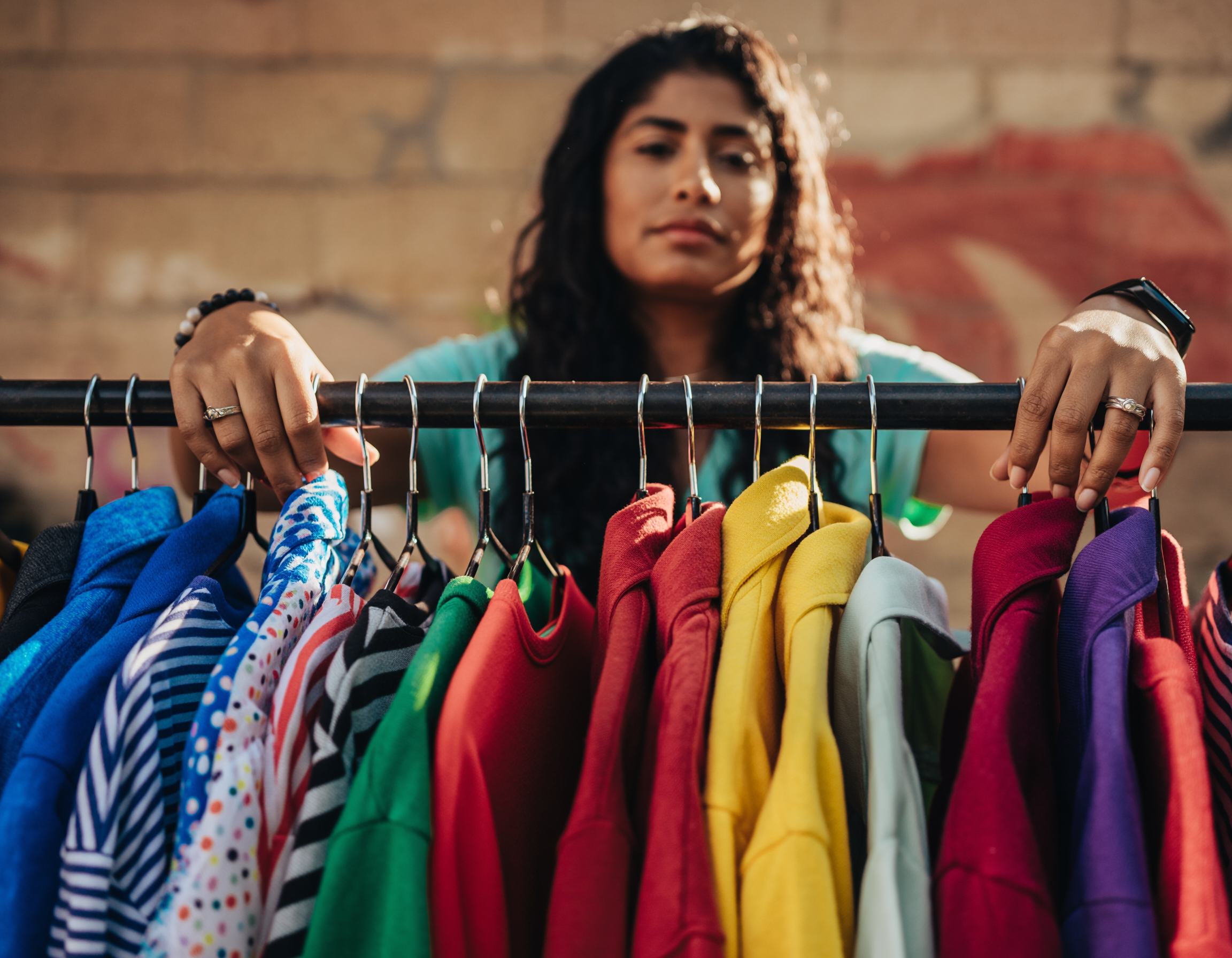
4. Sort by type and size; Arrange clothes on rails or tables by category to make swapping easy and enjoyable.
5. Make it welcoming; Add music, tea/coffee or a chat area—clothes swaps are social as well as sustainable.
6. Promote locally and early; Use noticeboards, WhatsApp groups, social media and local newsletters to spread the word.
7. Encourage all ages; Consider dedicated sections for children’s clothes, teens or seasonal items.
8. Plan for leftovers; Partner with local charities or reuse organisations so no clothing goes to waste.
9. Share the sustainability message; Display simple facts about textile waste, climate impact and reuse to inspire conversation.
10. Capture and celebrate impact; Count items swapped, estimate waste saved and share the success with your community.
Terms and Conditions for Use of Clothes Swap Kit
Click here if you want to make a booking using a mobile device